Play Is Learning: Unlocking Long-Term Success Through Early Years Education
The early years of childhood are a remarkable period of growth, curiosity, and discovery. During this critical phase, children’s brains are astonishingly receptive, creating the foundation for lifelong learning, resilience, and success. Play, often dismissed as mere entertainment, is actually a powerful tool that fuels cognitive development, social competence, and problem-solving skills. As parents and educators, understanding how to recognize high-quality early childhood environments can make a profound difference in a child’s future.
In this guide, we will explore the significance of play-based learning within the framework of early childhood education, with particular attention to how genuine developmental practices are embedded into nursery environments. We’ll uncover what parents should consider when visiting nurseries, and how to differentiate between superficial displays and truly nurturing spaces. An informed perspective helps ensure that children benefit from meaningful experiences that promote their growth and long-term success.
Introduction to Play-Based Learning in Early Childhood
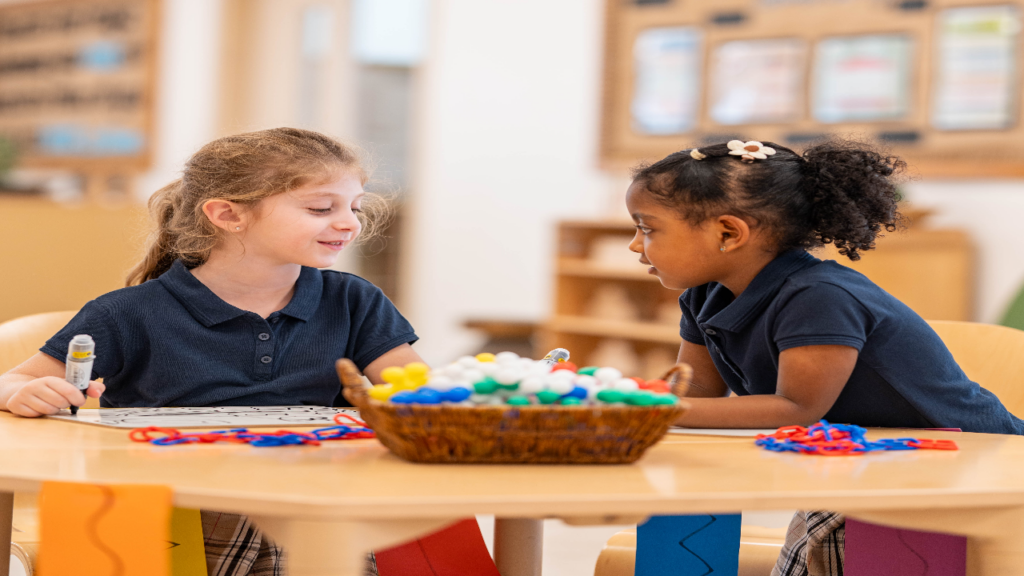
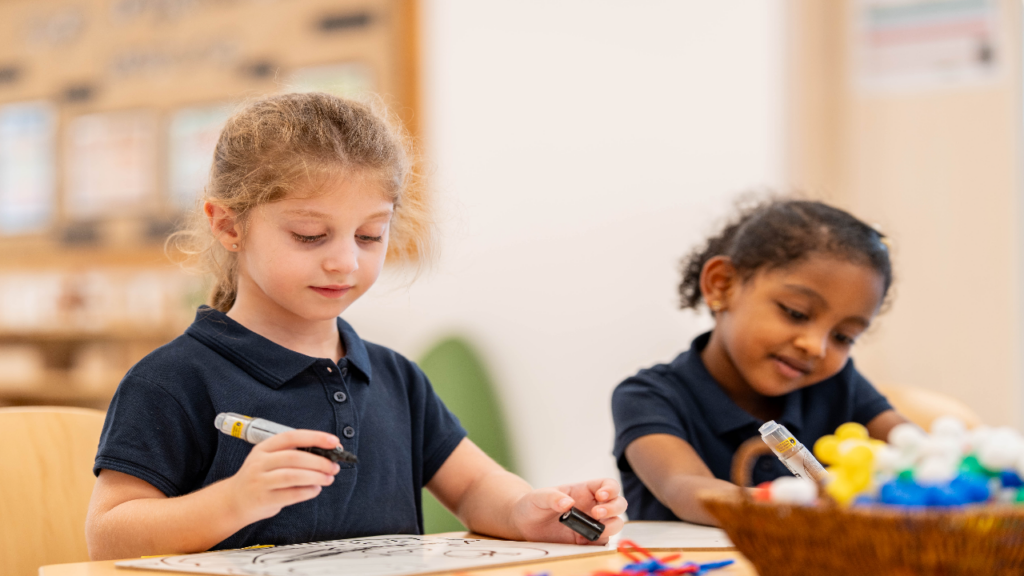
Play-based learning is at the heart of effective early childhood education. It recognizes that children learn best when they are actively engaged in hands-on experiences that capture their natural curiosity. Through play, children develop critical skills such as attention, creativity, communication, and emotional regulation. Because play is intrinsically enjoyable and motivating, it encourages children to explore, experiment, and make sense of the world around them.
Research consistently shows that children who engage in meaningful, child-led activities demonstrate stronger cognitive development and social skills. Play not only supports immediate learning but also builds the foundation for future academic success and well-being. In these formative years, fostering an environment conducive to authentic play helps ensure that children develop the confidence and resilience needed for lifelong learning.
Understanding the EYFS Framework and Its Approach to Play
In many parts of the world, including the UK and Dubai, early years education is guided by the Early Years Foundation Stage (EYFS) framework. This comprehensive approach emphasizes a holistic view of development—physical, emotional, social, and cognitive—centered around the principle that play is central to learning.
Within this framework, educators are encouraged to create rich, engaging environments where children can explore and learn through all five senses. The EYFS advocates for the use of purposeful play, where every activity is deliberately designed to support development in areas like literacy, numeracy, and social skills. It promotes observation and assessment to tailor learning experiences to individual children’s interests and needs, fostering independence and confidence.
Understanding this framework helps parents appreciate the intentionality behind nursery environments and activities. It underscores that high-quality early years settings don’t rely on superficial decorations but focus on creating meaningful experiences that align with developmental best practices.
Research on Executive Function Development Through Play
A key aspect of early childhood development is the nurturing of executive functions—the cognitive processes that enable children to plan, focus attention, remember instructions, and manage their emotions. These skills are crucial for success in school and beyond. Play is a particularly effective way to strengthen executive functions because it involves problem-solving, self-regulation, and social negotiation.
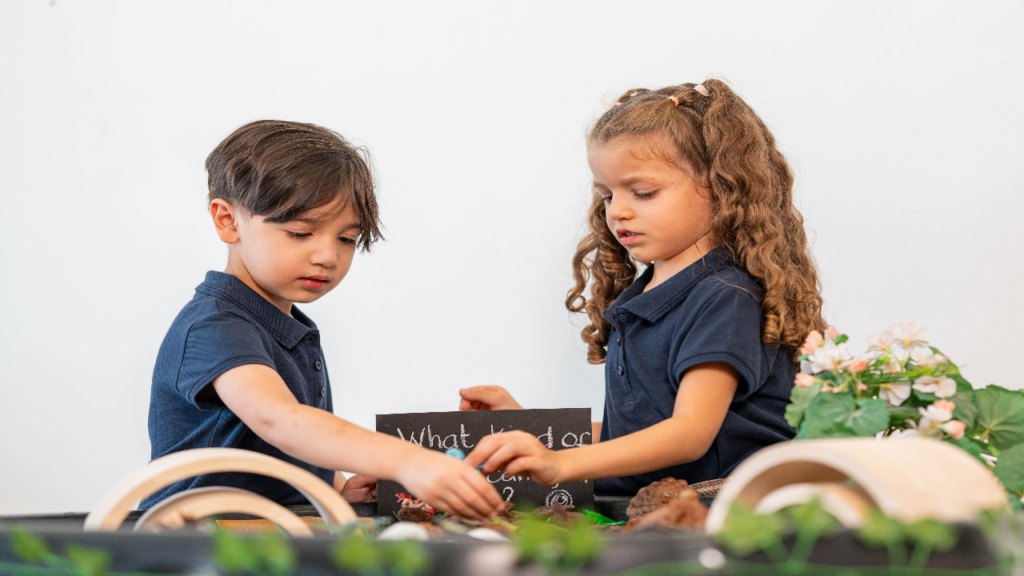
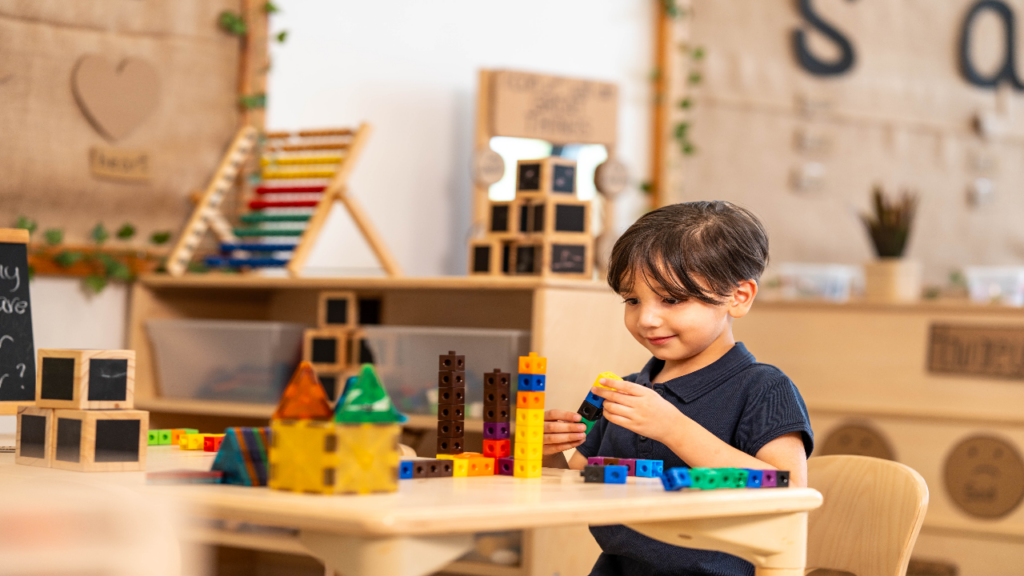
Studies highlight that play environments rich in opportunities for interaction, experimentation, and autonomy directly contribute to the development of these skills. For example, engaging children in activities like building with blocks, role-playing, or following open-ended prompts encourages them to persevere through challenges, regulate their impulses, and develop resilience.
Supporting executive function growth through intentional play prepares children not just academically but emotionally for the complexities of future learning and social relationships. Environments that prioritize purposeful, child-led play foster these vital skills naturally and effectively.
What Parents Should Look for When Visiting Nurseries
When choosing a nursery, parents naturally want to find a space that nurtures their child’s development. An initial visit is an excellent opportunity to observe and assess whether a setting truly aligns with best practices in early childhood education. But what should parents look for?
First, focus on the environment itself. Is it stimulating yet calm, with accessible materials that invite children to explore independently? Are the spaces organized with natural materials like wooden blocks, sensory trays, and open-ended art supplies? These elements foster creativity and problem-solving rather than distraction or superficial visual appeal.
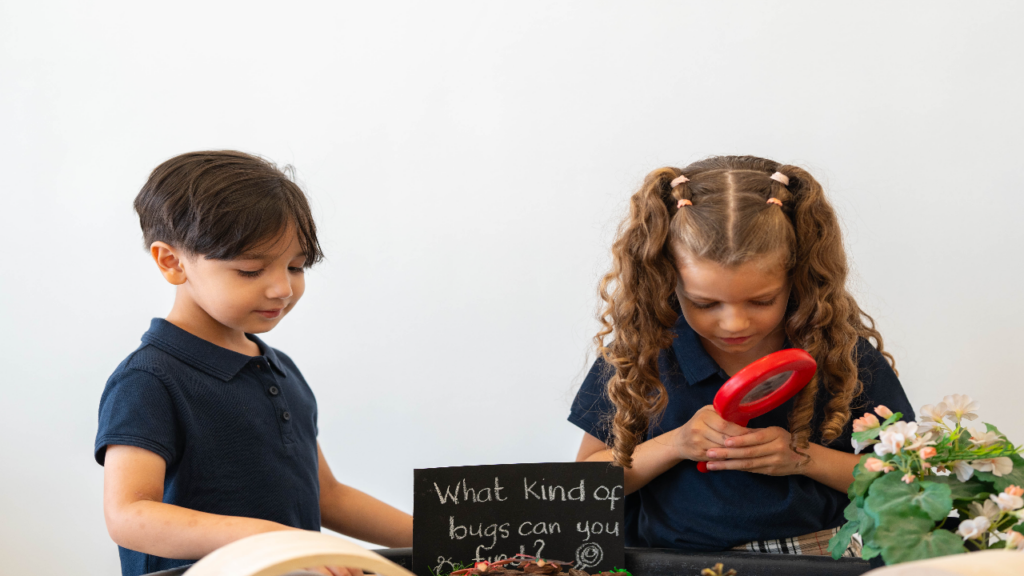
Second, consider how the environment supports genuine learning. Are activities based on observation of children’s interests? Do educators engage in meaningful interactions that extend children’s thinking? Is outdoor space integrated with natural elements such as water, sand, and plants to enhance sensory experiences?
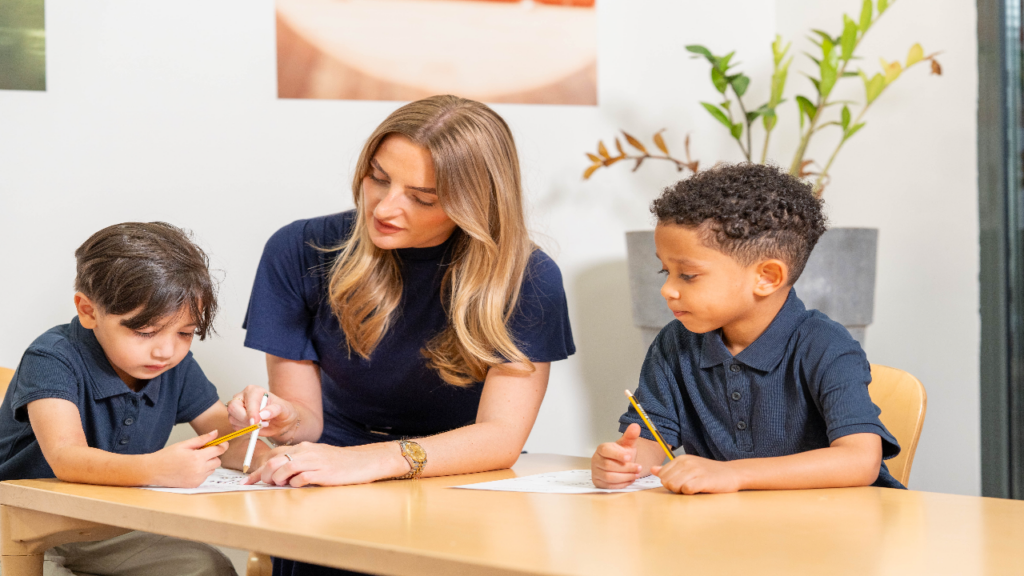
Third, evaluate the staff’s approach. Are they trained to facilitate play that promotes development rather than just entertainment? Do they observe and adapt to individual children’s needs? These indicators reveal whether the setting prioritizes authentic developmental practice grounded in research and the EYFS framework.
Distinguishing Between Showy Environments and Genuine Developmental Practice
Parents are often drawn to Nurseries with bright displays, themed decor, and elaborate setups, which can give the impression of a vibrant learning environment. However, appearances can be deceiving. It’s essential to look beyond the visual appeal and assess whether the environment supports meaningful, developmentally appropriate play.
Genuine high-quality nurseries organize spaces that promote exploration, independence, and social interaction through tangible, natural, and simple materials. For example, credible Dubai nurseries incorporate organic shapes, natural lighting, and outdoor natural elements like water and plants, creating a calming yet stimulating environment conducive to open-ended play.
Research underscores that themes and flashy environments alone do not guarantee developmental quality. Instead, environments rooted in the principles of the EYFS—aimed at fostering curiosity, problem-solving, and social skills—are more effective. Materials should be accessible to encourage children to choose, experiment, and express themselves freely. Observation and planning based on individual interests ensure each child’s learning experience is authentic and tailored.
By learning to distinguish between superficial displays and truly rich environments, parents can make more informed decisions that prioritize their child’s long-term development over eye-catching but superficial setups.
Conclusion
The early years set the stage for a child’s lifelong journey of learning and development. Play-based learning, when rooted in a strong understanding of developmental principles like those in the EYFS framework, lays the groundwork for confidence, resilience, and success in later life. Recognizing that genuine development occurs through purposeful, authentic play—not just flashy visuals—empowers parents to advocate for high-quality environments that nurture curiosity, problem-solving, and social skills.
By focusing on the quality of the environment and the intentionality behind activities, parents can ensure their children experience the richness of truly effective early childhood education. Ultimately, investing in environments that prioritize meaningful play and development fosters resilient, capable learners prepared to thrive long after their nursery years are over.