
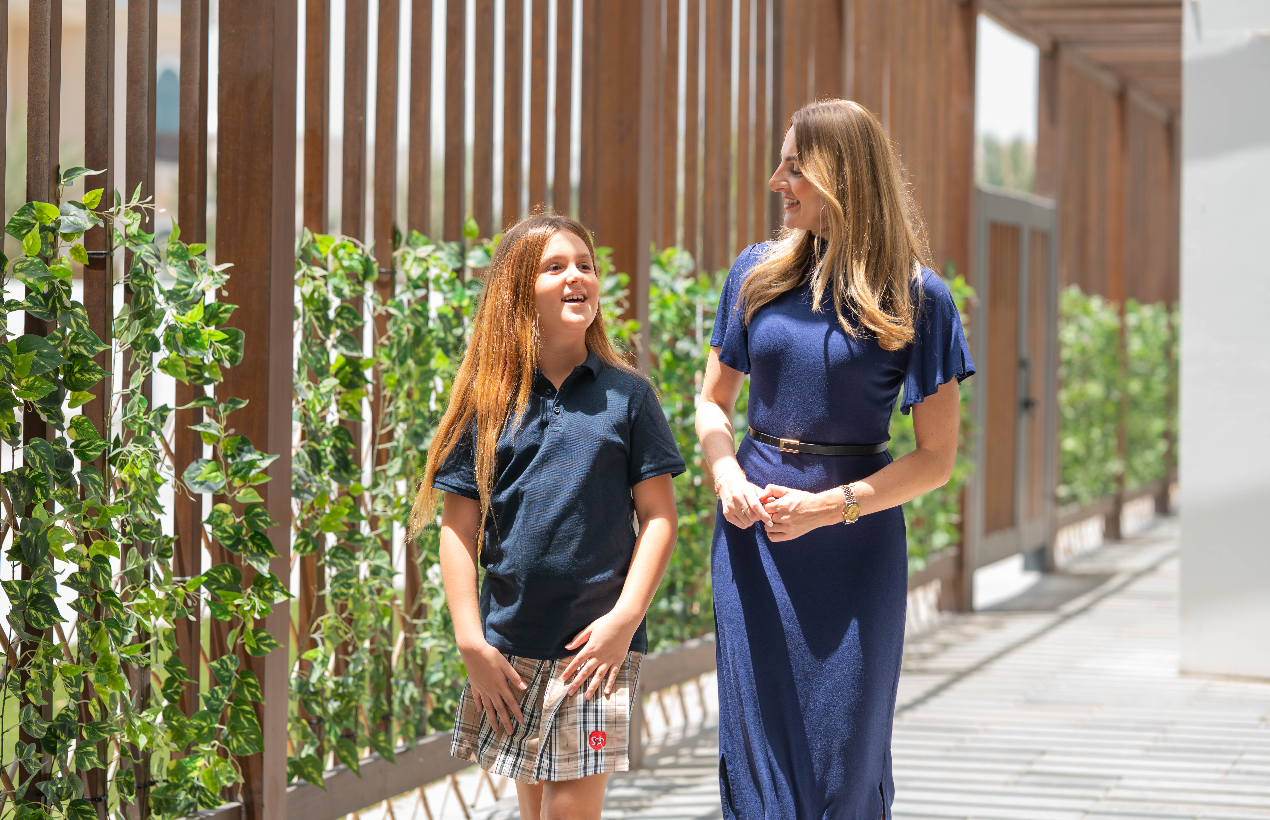
If you are in Year 12 or Year 13 at a British curriculum school, your route to a UK degree runs through one system. University applications from Dubai (UCAS) follow the same process as applications made inside the UK, with the same deadlines and the same single form. What differs is everything around it: fee status, visa requirements, English language evidence, and managing deadlines in a different time zone.
How UCAS Works for University Applications from Dubai
UCAS is a central service. You complete one application, and it is sent to every course you choose.
1. Five Choices, One Application
You may apply to up to five courses in a single cycle. You cannot apply to both Oxford and Cambridge in the same year, and medicine, dentistry, and veterinary applicants are limited to four courses in that subject. A single fee covers all choices, so check the current amount on the UCAS website before you submit.
2. One Personal Statement, Three Questions
The personal statement changed for 2026 entry and the new format continues. Instead of one open essay, you answer three structured questions: why you want to study the course, how your qualifications have prepared you, and what you have done outside formal education. The total limit is 4,000 characters including spaces, with a minimum of 350 characters per answer. You write one statement, and all five universities read it.
3. The Reference and Predicted Grades
Your application cannot be submitted without a school reference and predicted grades. This quietly moves the real deadline for university applications from Dubai forward by several weeks, so agree internal dates with your school rather than working to the UCAS date alone.
The UCAS Timeline You Need to Work To
The calendar keeps the same shape every year. Applications open in May, submission opens in early September, and two dates matter. Mid October is the deadline for Oxford, Cambridge, and most medicine, dentistry, and veterinary courses. Mid January is the equal consideration deadline for almost everything else, meaning applications arriving by then are assessed on the same terms. For the current cycle those dates are 15 October 2026 and 13 January 2027, both at 18:00 UK time, but always confirm on the UCAS website because dates shift with each cycle. Applications after January are still accepted where places remain, and Clearing operates over the summer. Because university applications from Dubai run on UK time, treat 18:00 UK as your cut off, not local evening.
What Makes University Applications from Dubai Different
The form is identical. The context is not.
1. Visa and Immigration Planning
Once you accept an offer, you will need a Confirmation of Acceptance for Studies from the university before applying for a student visa, along with evidence of funds and, in some cases, a tuberculosis test certificate. Start early, since processing times vary and offers often arrive close to the end of the academic year.
2. Fee Status and Funding for University Applications from Dubai
Most students applying from the UAE are classified as international for fee purposes, even if they hold a British passport, because fee status usually depends on ordinary residence rather than nationality. Check each university’s fee assessment rules directly, and look at scholarships at the same time, since many close earlier than the course deadline.
3. English Language and Entrance Tests
Even if your entire education has been in English, some universities require formal evidence of proficiency, while others accept GCSE English Language or the curriculum itself. Requirements differ by institution and course. Entrance tests are scheduled in UK time, so check registration windows and local test centre availability well in advance.
Common Mistakes to Avoid
The most frequent problems in university applications from Dubai are practical rather than academic. Leaving the reference request until the last fortnight. Writing a personal statement in the old single essay format instead of answering the three questions. Choosing five courses with wildly different entry requirements and no realistic backup. Assuming a British passport guarantees home fee status. And copying phrasing from online examples, which UCAS screens for similarity across every statement submitted.
How Schools Support University Applications from Dubai
Strong sixth form provision includes early conversations about course choice in Year 12, structured support for the three personal statement questions, honest predicted grades, staff who understand entrance tests, and guidance on fee status and visas rather than academics alone. When families compare private schools in Dubai, the quality of university guidance is one of the clearest indicators of how a sixth form performs.
The Scholars Approach
At The Scholars School in Al Quoz, university applications from Dubai are treated as a two year process rather than a form completed in Year 13. Students are supported to build the wider experience that gives a personal statement substance, and our Student life programme provides much of the material that answers the third UCAS question honestly. You can read more about our approach on the Why the Scholars? page, and families can review entry requirements under Admission.
Final Thoughts
University applications from Dubai reward preparation more than anything else. Start the conversation in Year 12, agree internal deadlines with your school well before the UCAS ones, write the three personal statement answers to the questions actually asked, and handle fee status and visas alongside academics rather than afterwards. Approached that way, university applications from Dubai are no harder than they are anywhere else, and often better supported.
Frequently Asked Questions
Which UK universities are in Dubai?
Several British universities operate branch campuses in Dubai’s academic free zones, including the University of Birmingham, Heriot-Watt University, and Middlesex University. Degrees awarded at these campuses are issued by the parent institution and carry the same recognition as the UK campus. Provision changes over time, so confirm current programmes and locations directly with each university.
How to apply to universities in Dubai?
There is no central system equivalent to UCAS. You apply directly to each institution through its own portal, usually with attested school certificates, transcripts, passport and visa copies, and evidence of English proficiency. Deadlines are set by each university and are generally more flexible than the UCAS calendar. If you intend to work in the UAE afterwards, check whether the programme holds Ministry of Education equivalency as well as its home country accreditation.
Is it better to study in Dubai or the UK?
Neither is better in general terms, and the answer depends on your priorities. Studying in the UK offers a wider range of courses, full campus life, and a degree earned in the country that awards it. Studying in Dubai keeps you close to family and avoids visa and relocation costs. Compare the specific course, graduate outcomes, total cost including living expenses, and where you intend to work after graduating.
How do international students apply to UK universities?
Through UCAS, in exactly the same way as UK based applicants. The differences in university applications from Dubai are administrative rather than procedural: you may need formal English language evidence, you will almost certainly be assessed at international fee rates, and you will require a student visa once you accept an offer. Qualifications such as A Levels, the IB, and recognised national curricula are all accepted, with entry requirements published per course.