
Navigating the Horizon: What’s Next for Private Education in the UAE?
I remember sitting down with a parent recently, their eyes wide with a mix of excitement and apprehension as they talked about their child’s future. “It’s changing so fast,” they’d said, “I just want to make sure we’re choosing the right path for them.” It’s a sentiment I hear often, and frankly, it’s one I share. The world of education, especially here in the UAE, is in constant motion, a vibrant, dynamic landscape that’s always evolving. It’s not just about schools anymore; it’s about how we, as educators and parents, are preparing our children for a world that’s literally being built as we speak. This isn’t just about keeping pace; it’s about anticipating what’s over the horizon.
The private education sector in the UAE is experiencing remarkable growth. We’re talking about significant expansion, driven by a clear vision from the government and a growing demand for high-quality learning opportunities. This isn’t just about increasing capacity; it’s about a deliberate effort to build a world-class educational ecosystem that attracts talent and fosters innovation. It’s inspiring to see how this growth aligns with national agendas, aiming to position the UAE as a global hub for learning and development.
And at the heart of this progress is the government’s role, acting not just as a regulator but as a true partner. There’s a delicate but crucial balance being struck here – maintaining the highest international standards while ensuring our schools remain deeply rooted in Emirati values and culture. This partnership ensures that as we welcome global curricula and pedagogical approaches, we also nurture a strong sense of identity and belonging for every student. It’s about creating an educational environment that’s both globally competitive and deeply relevant locally.
Which brings me to something I keep coming back to: the transformative power of technology, particularly Artificial Intelligence. We’re no longer talking about AI as a futuristic concept; it’s becoming a tangible part of the classroom experience. This isn’t about replacing teachers, far from it. Instead, it’s about empowering them with tools that can personalize learning and help cultivate the critical skills our students will need. Imagine AI-powered platforms that can identify individual learning gaps and provide tailored support, freeing up teachers to focus on higher-order thinking and fostering creativity. We’re witnessing a shift towards creating classrooms that don’t just teach about AI, but actively leverage it to foster innovation and prepare students to be creators, not just consumers, of technology. What does this evolving role of tech mean for the future of learning?
This evolution in how we teach naturally leads to a maturation of the market itself. While the growth figures are undeniably impressive, with the K-12 sector projected to reach USD 19.02 billion by 2031, the conversation is shifting. It’s less about simply expanding the number of schools and more about ensuring quality and accessibility. We’re seeing a greater focus on providing excellent educational experiences at various price points, making high-quality private education more attainable. The market is becoming more discerning, and demand is increasingly for schools that offer a holistic and forward-thinking approach.
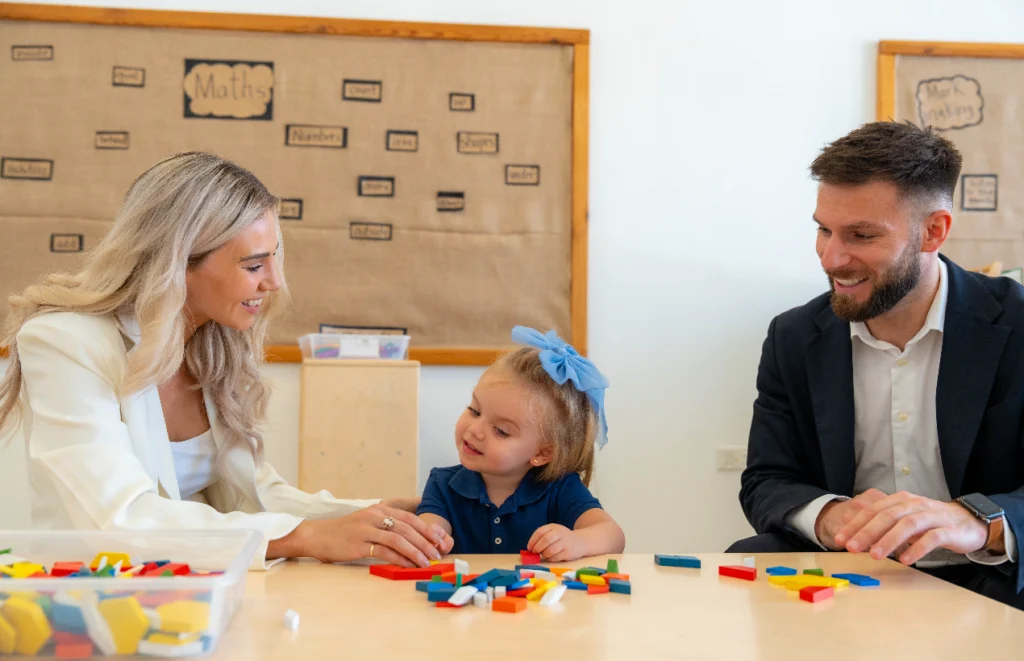
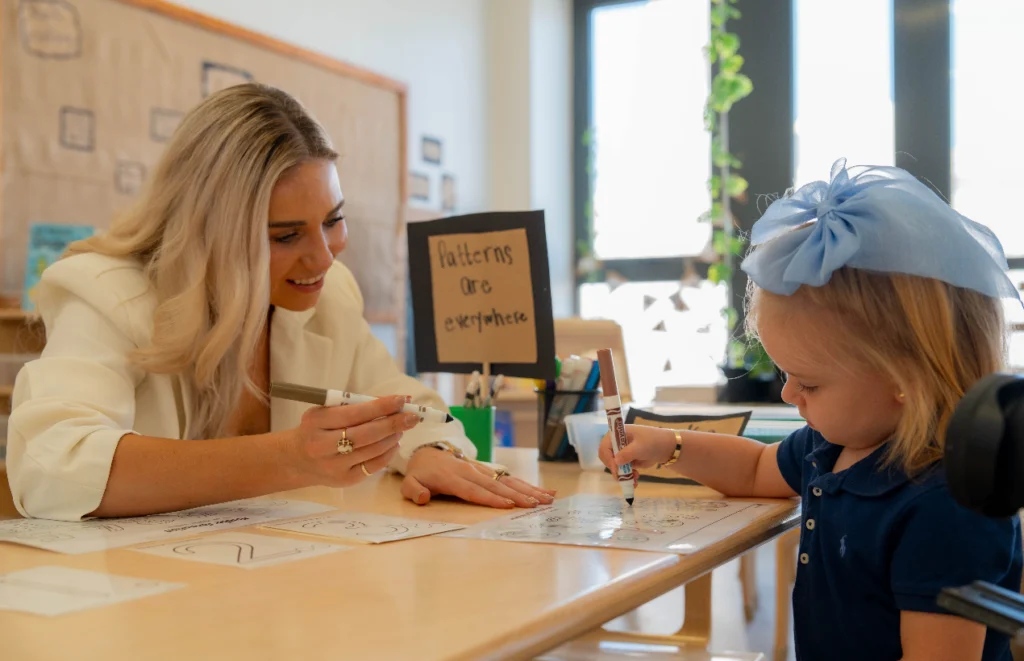
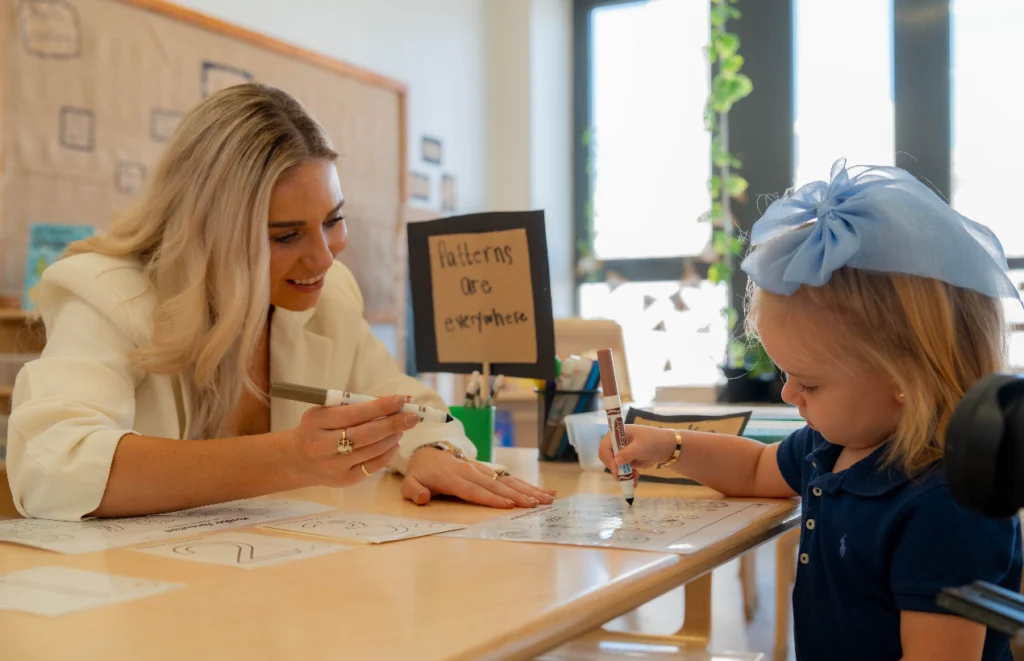
But beyond the numbers, the budgets, and the technological advancements, what truly defines the future of schooling? For me, it’s about reimagining the student experience itself. We hear a lot about the booming market, and those figures are impressive, no doubt. But what does all that growth actually mean for our kids? For me, the real story isn’t in the balance sheets; it’s in the tangible shifts happening within school walls, reshaping the very student experience. It’s about moving beyond rote learning and preparing children for a future we can only begin to imagine. What truly excites me is how pedagogical approaches are evolving, fostering what are often called “future-ready” skills like critical thinking, creativity, collaboration, and adaptability. Initiatives where students are actively building prototypes and exploring responsible AI use, or schools like those expanding AI learning through platforms like Alef Education, demonstrate this beautifully. Classrooms are becoming more dynamic, learning spaces more flexible, and technology is integrated as a partner, not just a tool. We’re seeing a move towards assessments like portfolios, allowing students to showcase their learning journey in diverse ways – that’s the kind of innovation that genuinely makes a difference. The Dubai private school sector sees continued strong growth, with plans for 25 new private education institutions in 2025-26, signaling a commitment to creating environments where students are truly equipped for what’s next.
Reflecting on all this, it feels like we’re standing at a pivotal moment in private education here in the UAE. The energy, the investment, and the sheer thoughtfulness of the vision are palpable. It’s not just about building more schools; it’s about building better futures for our children. The integration of global best practices, the embrace of innovative technologies, and the unwavering commitment to nurturing an Emirati identity create a unique and powerful educational tapestry. I’m genuinely optimistic about the journey ahead, knowing that our focus is increasingly on cultivating curious, adaptable, and inspired young minds, ready to navigate whatever horizons await them.